Stock
How To Buy
About Us
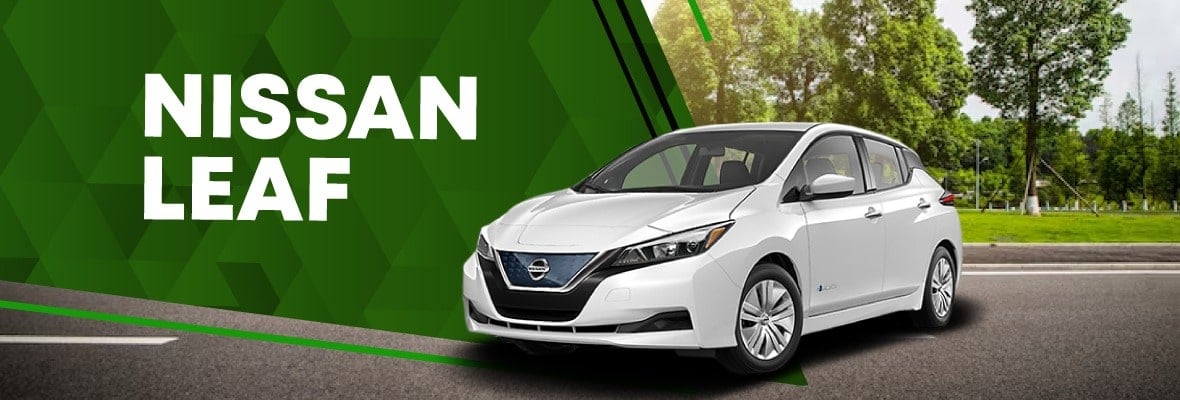
The Nissan Leaf: The EV That Changed Everything
The Electric Car That Started It All
In 2010, Nissan launched the Leaf—a bold move that helped redefine how the world viewed electric cars. At that time, electric vehicles were either luxury experiments or underpowered neighborhood runabouts. The idea of a reliable, affordable electric car for the masses seemed out of reach. But Nissan took a leap of faith and brought us the world’s first mass-market EV: the Nissan Leaf.
Instead of being a flashy sports car or a high-end status symbol, the Leaf was a compact electric hatchback designed for everyday people. It was practical, efficient, and more affordable than any full-electric vehicle before it. With each new generation, Nissan added features, extended the range, and made EV ownership easier and more appealing. Today, the Leaf stands as a quiet pioneer—one that didn’t need a fancy badge to change the game. Let’s take a look at how it evolved over the years and what made each version a better choice for real-world drivers.
2010 Nissan Leaf – Making EVs Accessible and Practical
When the first-generation Nissan Leaf launched in 2010, it wasn’t just another eco-friendly car—it was a statement. It proved that electric vehicles could be practical for everyday life, not just futuristic concepts. With a range of about 100 miles per charge, the Leaf easily handled daily commutes, school drop-offs, and errands.
For drivers used to weekly gas station visits, plugging in at home and waking up to a full “tank” felt revolutionary. Charging took about 20 hours with a standard 120V outlet, 8 hours with a 240V Level 2 charger, or just 30 minutes to reach 80% using DC fast charging.
The Leaf’s design embraced its difference. Its high-mounted headlights, aerodynamic shape, and hidden charging port gave it a futuristic edge. Inside, it featured a touchscreen infotainment system, digital instrument cluster, and a rotary gear knob. Performance was modest but smooth, with a 107-horsepower motor and a 0–60 mph time of around 9.9 seconds—plenty for daily driving. A 30 kWh battery introduced in 2016 increased range by roughly 25%, making the Leaf even more practical.
2018 Nissan Leaf – More Range, Smarter Features, Greater Comfort
By 2018, the electric car market had matured. Tesla was now a household name, and more drivers were seriously considering EVs. Nissan responded by completely rethinking the Leaf. The second generation wasn’t just a facelift—it was a full redesign, inside and out.
Visually, the Leaf dropped its quirky look for a sleek, modern design. The front featured Nissan’s signature V-motion grille, while C-shaped LED taillights and a floating roof gave it a more refined, athletic feel. It now fit in with the rest of Nissan’s lineup but still stood out as an electric car.
The biggest leap forward was range. A new 40 kWh battery increased driving distance to around 235 miles (378 km), making the Leaf viable for longer commutes and weekend trips. Charging options remained flexible—Level 1, Level 2, and DC fast charging—but the added capacity meant fewer trips to the plug.
Inside, the tech saw a major upgrade. The larger infotainment screen added support for Apple CarPlay and Android Auto, while the cabin felt more comfortable and thoughtfully designed. Higher-mounted seats improved visibility, the digital display offered more useful info, and the trunk became more versatile with split-folding rear seats.
Two standout features debuted with this model. ProPilot Assist brought semi-autonomous driving to the Leaf, making highway travel easier with adaptive cruise control and lane centering. One-Pedal Driving let drivers speed up, slow down, and even stop using just the accelerator—ideal for stop-and-go traffic.
Altogether, the 2018 Leaf delivered more of what mattered: longer range, smarter tech, better comfort, and a big boost in everyday usability.
2022 Nissan Leaf – Refining the Everyday EV
By the time the 2022 Nissan Leaf arrived, the EV market was packed with options. Competing against newer electric cars like the Tesla Model 3, Hyundai Kona EV, and Chevy Bolt, the Leaf had to stay relevant without a total overhaul. So Nissan focused on refinement—enhancing the parts that mattered most.
The exterior styling was subtly updated, giving the Leaf a cleaner and more modern front end by removing the chrome-heavy grille and adding new wheel designs. These small tweaks helped reduce drag and gave the car a sleeker overall look.
Inside, the updates were focused on usability. The NissanConnect infotainment system was made more intuitive, with better menus and faster performance. Apple CarPlay and Android Auto became standard on all trims, and the navigation system was enhanced to help drivers locate and even reserve EV charging stations on the go.
ProPilot Assist also saw improvements, delivering smoother lane keeping and smarter adaptive cruise control. Safety features like automatic emergency braking, lane departure warnings, and pedestrian detection added another layer of security.
While the powertrain remained mostly unchanged, software updates helped increase energy efficiency. The range nudged up to 239 miles (WLTP), and charging times were reduced slightly. A full charge using a Level 2 home charger now took around 7.5 hours, while DC fast charging could bring the battery to 80% in about 40 to 45 minutes.
The 2022 Leaf didn’t reinvent itself—but it didn’t need to. It doubled down on being a smart, sensible EV for real drivers who value affordability, reliability, and ease of use.
Why the Nissan Leaf Still Matters in the EV World
While other EVs may grab headlines with bold designs, record-setting range, or breakneck acceleration, the Nissan Leaf has quietly remained one of the most important cars in the electric vehicle space. It was the first to bring full-electric driving to the masses—and it’s still one of the best ways to get started with an EV today.
The Leaf isn’t trying to be flashy. It’s trying to be useful—and that’s exactly what many drivers need. It’s easy to drive, affordable to maintain, and simple to charge. It offers real-world range, a comfortable cabin, and just enough tech to feel current without being overwhelming. For new EV drivers or those looking for a practical second vehicle, it continues to be a smart, reliable choice.
Over the years, the Leaf has proven that electric cars don’t have to be futuristic or exclusive—they just need to fit into your life. And that’s exactly what this compact electric hatchback has done better than almost anyone else.
Considering an Electric Car? The Leaf Is Still a Top Contender
If you’re shopping for a budget-friendly electric car that’s stood the test of time, the Nissan Leaf deserves a serious look. Whether you’re interested in ditching gas for good or just want a simple way to explore electric driving, the Leaf offers a proven, no-nonsense option with a decade of real-world success behind it.