Stock
How To Buy
About Us
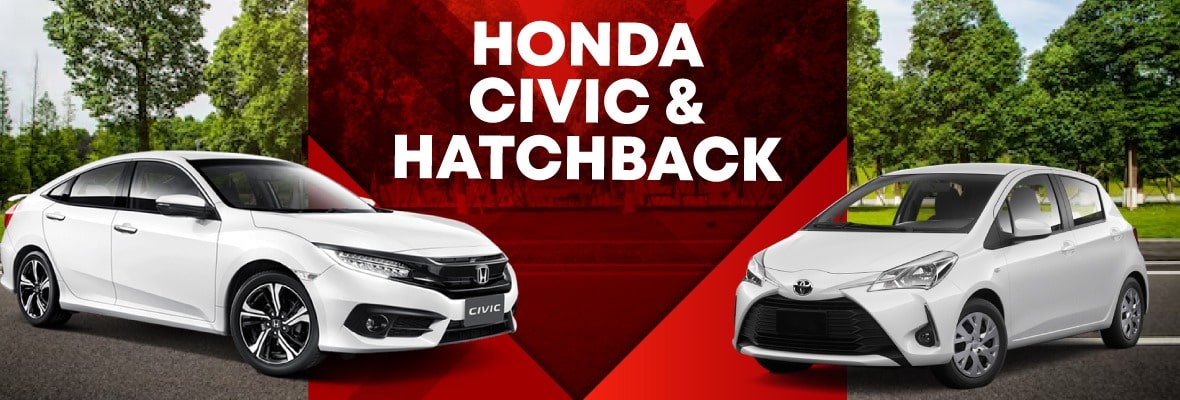
Honda Civic Generations: How It Became a Global Icon
Since its introduction in the early 1970s, the Honda Civic has grown into one of the most respected and best-selling cars in the world. Originally designed as a compact and efficient hatchback, the Civic quickly expanded into a complete lineup of sedans, hatchbacks, coupes, and even high-performance models. What has always set the Civic apart is its ability to evolve with the times. Each generation has introduced design improvements, new technology, and engineering breakthroughs that made the Civic better suited to global drivers. From fuel efficiency and reliability to advanced safety and performance, the Civic has become more than just a compact car—it is a benchmark of automotive progress.
First Generation (1973–1979): Efficiency at the Right Time
The first-generation Civic launched in 1972 as a 1973 model and immediately captured attention with its small size, light weight, and practicality. At a time of oil shortages, its 1.2L engine offered outstanding fuel economy compared to larger competitors. Buyers had a choice between hatchback, sedan, and wagon formats, which gave the Civic flexibility. The real breakthrough came in 1975 with Honda’s CVCC (Compound Vortex Controlled Combustion) engine. This technology allowed the Civic to meet strict U.S. emissions standards without a catalytic converter, something no rival could achieve at the time. It established Honda’s reputation as a forward-thinking automaker and positioned the Civic as the right car for a changing world.
Second Generation (1980–1983): More Space, More Refinement
By 1979, compact car buyers wanted not just economy, but also comfort and refinement. The second-generation Civic delivered with a more squared-off design, greater interior space, and improved ride quality. Sedans, hatchbacks, and wagons remained part of the lineup, giving buyers multiple options. New 1.3L and 1.5L engines provided more power while keeping fuel efficiency high. This generation demonstrated that small cars could feel more substantial without losing their affordability, setting the stage for the Civic to mature alongside customer expectations.
Third Generation (1984–1987): Sharper and Sportier
The third-generation Civic arrived with modern styling, better aerodynamics, and stronger engineering. It introduced the world to the CRX hatchback coupe, a lightweight two-seater that became legendary for its combination of performance and efficiency. This was also the generation where the Civic gained Honda’s D-series engines, which became known for their reliability and tunability. For families, sedan and wagon versions provided practicality, while the hatchback offered sporty looks and driving fun. With the addition of a 4WD option in the wagon, the Civic proved it could be versatile as well as efficient.
Fourth Generation (1988–1991): Advanced Technology Arrives
The Civic’s fourth generation was a turning point. Its design became sleeker and more aerodynamic, improving efficiency and appeal. More importantly, Honda gave the Civic advanced engineering such as independent rear suspension, which gave it handling comparable to sports cars of the era. The performance crown belonged to the Civic Si-R hatchback, equipped with a 1.6L DOHC VTEC engine that produced 150 hp. This was groundbreaking technology at the time—delivering both high performance and excellent fuel economy. With this generation, the Civic gained serious respect among enthusiasts while still being a practical sedan or hatchback for everyday use.
Fifth Generation (1992–1995): The 1990s Classic
The Civic of the early 1990s became an icon. Its smooth, aerodynamic profile set it apart from boxy rivals, and the addition of a coupe body style attracted younger buyers. Fuel efficiency reached new heights with the VX hatchback, capable of economy figures few cars could match even today. At the same time, VTEC-powered trims brought thrilling performance to hatchbacks and sedans alike. For tuners and enthusiasts, this generation became a blank canvas for customization, cementing the Civic’s role in car culture worldwide.
Sixth Generation (1996–2000): Refinement Meets Innovation
The sixth-generation Civic emphasized maturity. Its design was cleaner and more sophisticated, while the interior offered better comfort and refinement. Honda also expanded its innovation with the launch of the Civic GX (natural gas-powered) and a diesel Civic in select markets—demonstrating its commitment to alternative fuels. For performance fans, the Civic Type R hatchback was introduced in Japan, offering a motorsport-inspired driving experience. This balance of practical sedans and hatchbacks with cutting-edge performance models showed the Civic’s broad appeal.
Seventh Generation (2001–2005): Practical and Hybrid-Friendly
By the early 2000s, the Civic had grown larger and more practical, catering to families and commuters alike. The sedan became the mainstream choice, while hatchbacks remained popular in global markets. The big milestone was the debut of the Civic Hybrid in 2001. Using Honda’s Integrated Motor Assist (IMA) system, it became one of the first widely available hybrid cars in the world. Though the switch to MacPherson struts made handling less sharp, the Civic delivered greater comfort and efficiency, appealing to a broader market.
Eighth Generation (2006–2011): Bold and Futuristic
The eighth-generation Civic took a dramatic design leap forward. The sedan gained sleek, modern styling, while the hatchback—especially in Europe—featured a radical, futuristic design. Inside, the Civic introduced a two-tier digital dashboard, setting it apart from competitors. Enthusiasts found plenty to love with the Civic Si sedan and coupe, as well as the Civic Type R hatchback in global markets. These models reinforced Honda’s reputation for delivering performance that was still affordable and practical.
Ninth Generation (2012–2015): A Quick Course Correction
The ninth generation initially struggled with conservative styling and lower-quality materials. However, Honda acted quickly, launching a significant refresh in 2013 with better styling, improved interior quality, and upgraded technology. Hybrid and natural gas versions kept eco-conscious buyers engaged, while performance trims ensured the Civic continued to appeal to enthusiasts. With sedans, hatchbacks, and coupes available, the Civic proved it could still adapt quickly to customer needs.
Tenth Generation (2016–2021): A Sporty Reboot
The tenth-generation Civic marked one of the most significant redesigns in its history. Its sleek, fastback-inspired shape gave it a premium, sporty feel. More importantly, turbocharged engines joined the lineup, offering stronger performance with excellent fuel efficiency. Sedan, hatchback, and coupe versions all returned, broadening appeal across markets. The highlight was the reintroduction of the Civic Type R hatchback to international markets, delivering over 300 horsepower and setting records as one of the fastest front-wheel-drive cars in the world.
Eleventh Generation (2022–Present): Refined and Balanced
The latest Civic emphasizes a mature, sophisticated design. Clean lines, a premium interior, and advanced technology and obviously standard Honda Sensing safety features—make it one of the most refined Civics to date. The sedan and hatchback continue to provide excellent daily practicality, while the Civic Si and Type R keep performance alive for enthusiasts. This balance ensures the Civic remains a leader in the compact segment, even as the automotive industry shifts toward electrification.
Over more than 50 years and eleven generations, the Honda Civic has evolved from a humble compact hatchback into a complete lineup of sedans, hatchbacks, coupes, and high-performance models. Each generation introduced innovations that made it better—more efficient, more refined, more exciting—while always staying true to its core values of reliability, affordability, and versatility. For drivers around the world, the Civic has become more than just a car. It is a trusted daily companion, a performance icon, and one of the most influential compact vehicles in history.