Stock
How To Buy
About Us
Car Batteries Explained: Why They Matter and How to Choose the Right One
Why Car Batteries Matter & How to Pick the Best One for Your Vehicle
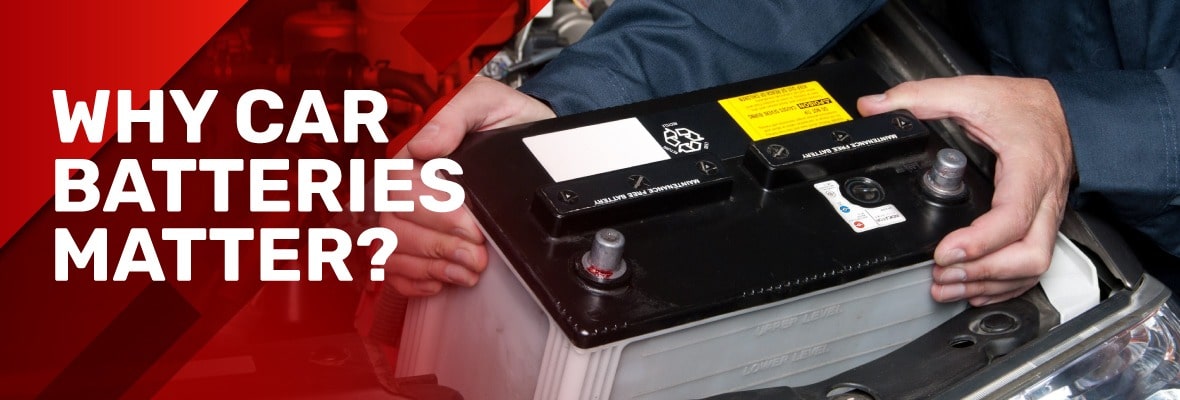
You might not think about it often, but your car’s battery plays a crucial role every time you turn the key or press the start button. It powers everything from your engine to your headlights, stereo, dashboard display, and even your phone charger. A healthy, well-chosen battery keeps your vehicle running reliably and smoothly, whether you’re commuting to work or setting off on a road trip.
There are many types of car batteries out there with their own benefits, drawbacks, and ideal use cases. Whether you need something tough for harsh weather, something low-maintenance, or the best battery for a modern vehicle with tons of tech, understanding your options will help you make a smart choice.
In this guide, we’ll break down the most common battery types, explore their pros and cons, explain the differences between deep-cycle vs starting batteries, and show you how to factor in battery maintenance, lifespan, and performance when shopping for your next replacement.
Flooded Lead-Acid Batteries
Also called flooded batteries, these are the most traditional and widely used type. They contain a liquid electrolyte and require regular fluid checks to stay in good working condition.
Pros:
- An affordable choice that works well for drivers on a budget or those with older vehicles.
- Easy to find and replace with widespread availability at automotive retailers.
- Provides sufficient power for basic engines starting in vehicles without heavy electrical demands.
Cons:
- Needs frequent battery maintenance, including topping off water levels and cleaning terminals.
- The open design makes it susceptible to acid spills and corrosion if not handled properly.
- Typically has a shorter battery lifespan, which lasts around 3 to 5 years under normal use.
Sealed Lead-Acid (SLA) Batteries
This type of sealed battery is essentially a maintenance-free version of the flooded lead-acid battery, enclosed to prevent leaks and reduce upkeep.
Pros:
- Fully sealed design eliminates the need for checking electrolyte levels.
- Safe to handle with no risk of acid spills, even in extreme conditions.
- Offers better durability than standard flooded batteries, especially in mild climates.
Cons:
- Generally, it is more expensive than traditional flooded batteries, which may deter budget-conscious buyers.
- It is still relatively heavy, which could affect fuel efficiency in smaller vehicles.
- Doesn’t offer the same longevity as AGM or lithium car battery options.
Absorbent Glass Mat (AGM) Batteries
AGM batteries are a more advanced sealed battery that uses a fiberglass mat to absorb the electrolyte, making them leak-proof, vibration-resistant, and ideal for modern vehicles.
Pros:
- No maintenance is required, making it ideal for users who prefer hands-off experience.
- Completely spill-proof, even in harsh conditions or vehicle accidents.
- Resists vibrations well, making it a top choice for performance and off-road vehicles.
- Delivers strong cold-weather performance due to high cold cranking amps (CCA).
- It has a longer battery lifespan, typically between 4 to 7 years.
- Recharges faster than traditional batteries, improving energy recovery after engine starts.
Cons:
- Costs more upfront than flooded or SLA batteries.
- Requires a compatible charging system to avoid damage or reduce efficiency.
- Heavier than lithium car batteries, which might be a consideration for performance-focused drivers.
Gel Cell Batteries
Designed for deep-cycle performance, gel batteries use a thickened electrolyte to deliver stable power over extended periods, rather than quick engine cranking.
Pros:
- Fully sealed and maintenance-free, which simplifies ownership and installation.
- Leak-proof design makes them safe and ideal for marine, motorcycle, or specialty use.
- Performs well in repeated charge-discharge cycles without losing capacity, which is perfect for deep-cycle scenarios.
- Handles temperature extremes and vibrations better than conventional batteries.
Cons:
- Not suitable for high current drawing applications, such as starting large engines.
- Costs more than most lead-acid batteries, which may not justify the price for standard car use.
- Must be charged with a specific type of charger to prevent overcharging and internal damage.
Enhanced Flooded Batteries (EFB)
EFBs are an upgraded version of traditional flooded batteries, engineered to support vehicles with start-stop systems and higher electrical demands.
Pros:
- Offers greater cycling endurance than standard flooded batteries, leading to better longevity.
- Efficiently supports start-stop technology, making it ideal for city driving.
- Comes in a maintenance-free design, eliminating the need for fluid checks.
Cons:
- More expensive than basic flooded batteries, which might not suit everyone’s budget.
- Doesn’t last as long as AGM or lithium car battery options in vehicles with frequent high-demand usage.
Silver Calcium Batteries
These batteries use a combination of silver and calcium, and lead to increased durability, particularly in hot climates and modern, high-demand vehicles.
Pros:
- Excellent resistance to corrosion and high temperatures, improving performance in extreme heat.
- Fully sealed and maintenance-free, reducing upkeep hassles for the user.
- Tends to last longer than conventional flooded batteries, offering good mid-range value.
Cons:
- Higher initial cost than standard lead-acid options may not appeal to all users.
- Requires a modern charging system to operate properly, making it incompatible with older cars.
- Less widely available compared to AGM or lithium-ion batteries, which may limit purchasing options.
Lithium-Ion (Li-Ion) Batteries
The lithium car battery is the most advanced technology on the market, favored in electric vehicles (EVs) and hybrids due to its lightweight design and high efficiency.
Pros:
- It is significantly lighter than other battery types, helping to reduce vehicle weight and improve fuel economy.
- Delivers the longest battery lifespan—up to 10 years or more with proper care.
- Recharges rapidly, reducing downtime between uses or trips.
- Capable of deep discharges without losing capacity, which supports high-drain vehicle systems.
Cons:
- Comes at a much higher price point, which may be hard to justify for conventional vehicles.
- Requires a battery management system and compatible charging infrastructure.
- Sensitive to temperature extremes, especially freezing cold or scorching heat, which can impact performance.
How to Choose the Right Car Battery
With all these options, how do you know which one is right for you? Start with your vehicle’s manual—it will tell you the correct size, voltage, and type of battery your car is built to use. Then consider the following:
- Climate: Cold weather demands higher cold cranking amps (CCA), while hot climates require batteries with better heat resistance.
- Driving habits: If you’re often in stop-and-go traffic, choose a battery designed for start-stop systems like AGM or EFB.
- Deep-cycle vs starting: A starting battery is best for ignition bursts, while deep-cycle batteries are ideal for consistent power delivery in RVs, boats, or EVs.
- Battery maintenance: If you prefer low-effort solutions, go with sealed options like AGM, SLA, or lithium-ion batteries.
- Cost vs lifespan: Lower-cost options like flooded and EFB batteries may need to be replaced more often. Higher-end AGM and lithium models last longer and may be more cost-effective over time.
- AGM vs lead-acid: AGM batteries win for modern vehicles with high electrical loads, while standard lead-acid types are fine for older, simpler cars.
Making a smart choice when it comes to car batteries ensures that your vehicle stays reliable, efficient, and ready to go—no matter the season or situation. Whether you're comparing AGM vs lead-acid, deciding between deep-cycle vs starting, or simply want a low-maintenance option, understanding the pros and cons of each battery will help you find the best battery for your car and driving needs.